
Talking about
the roots...
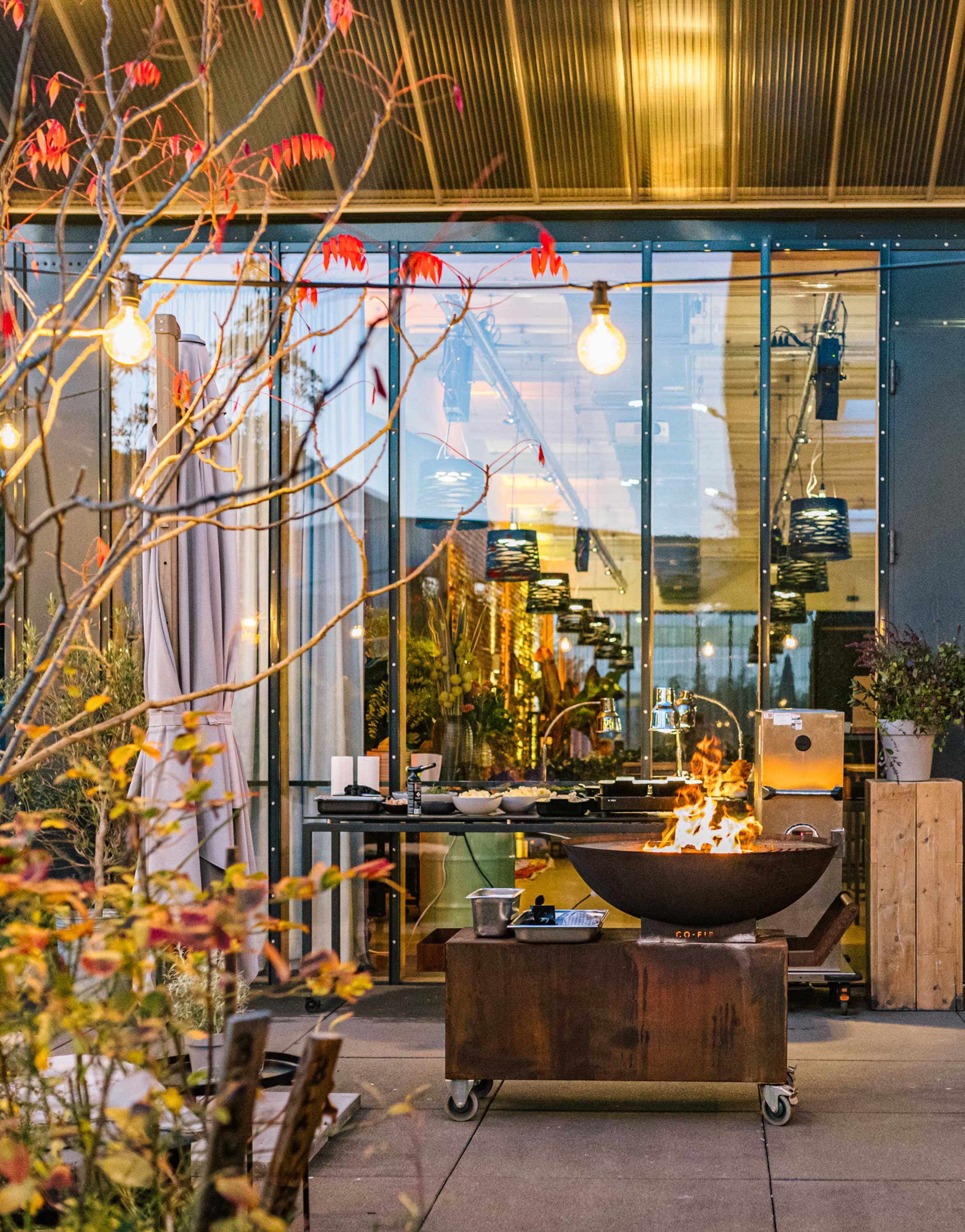
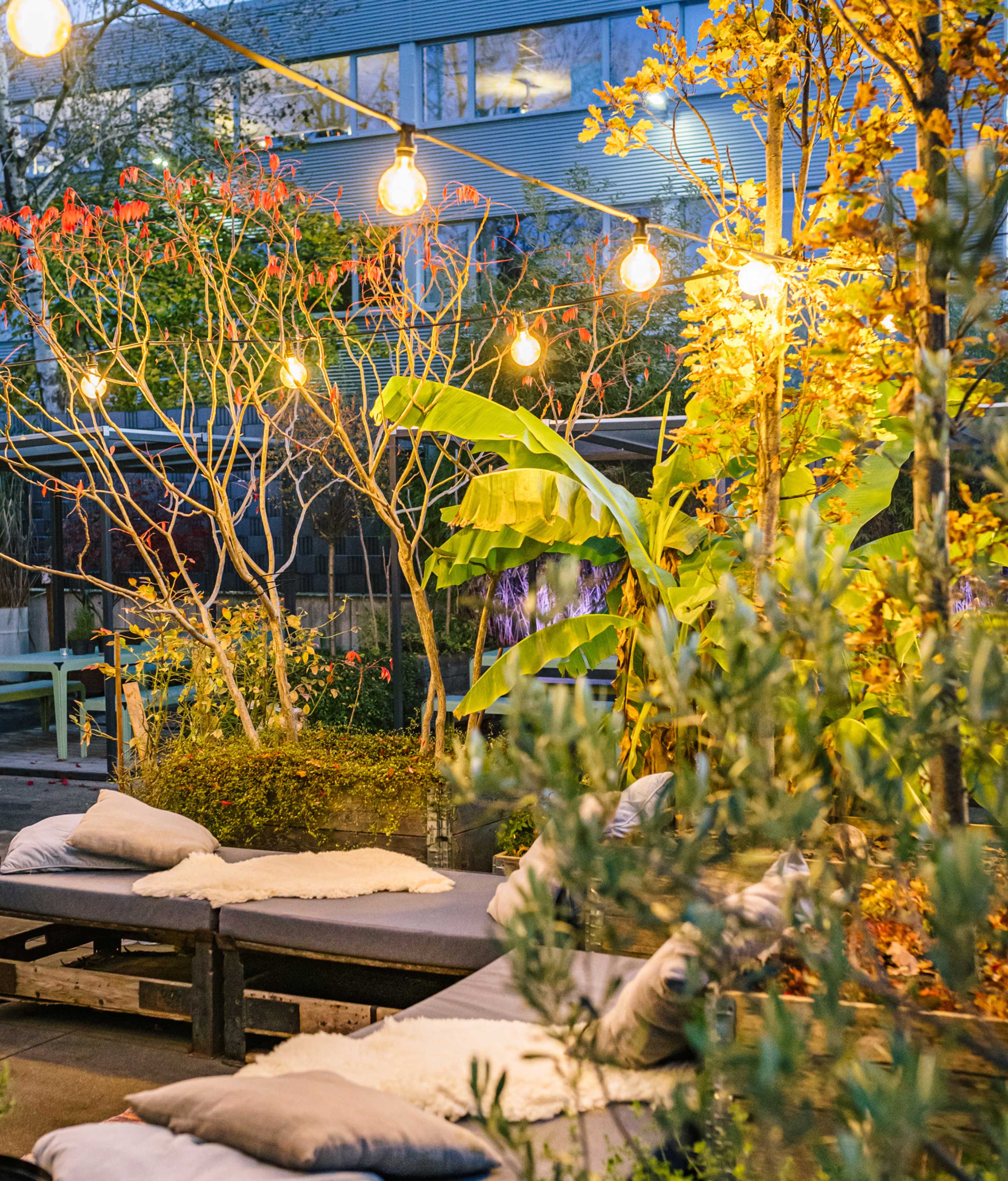
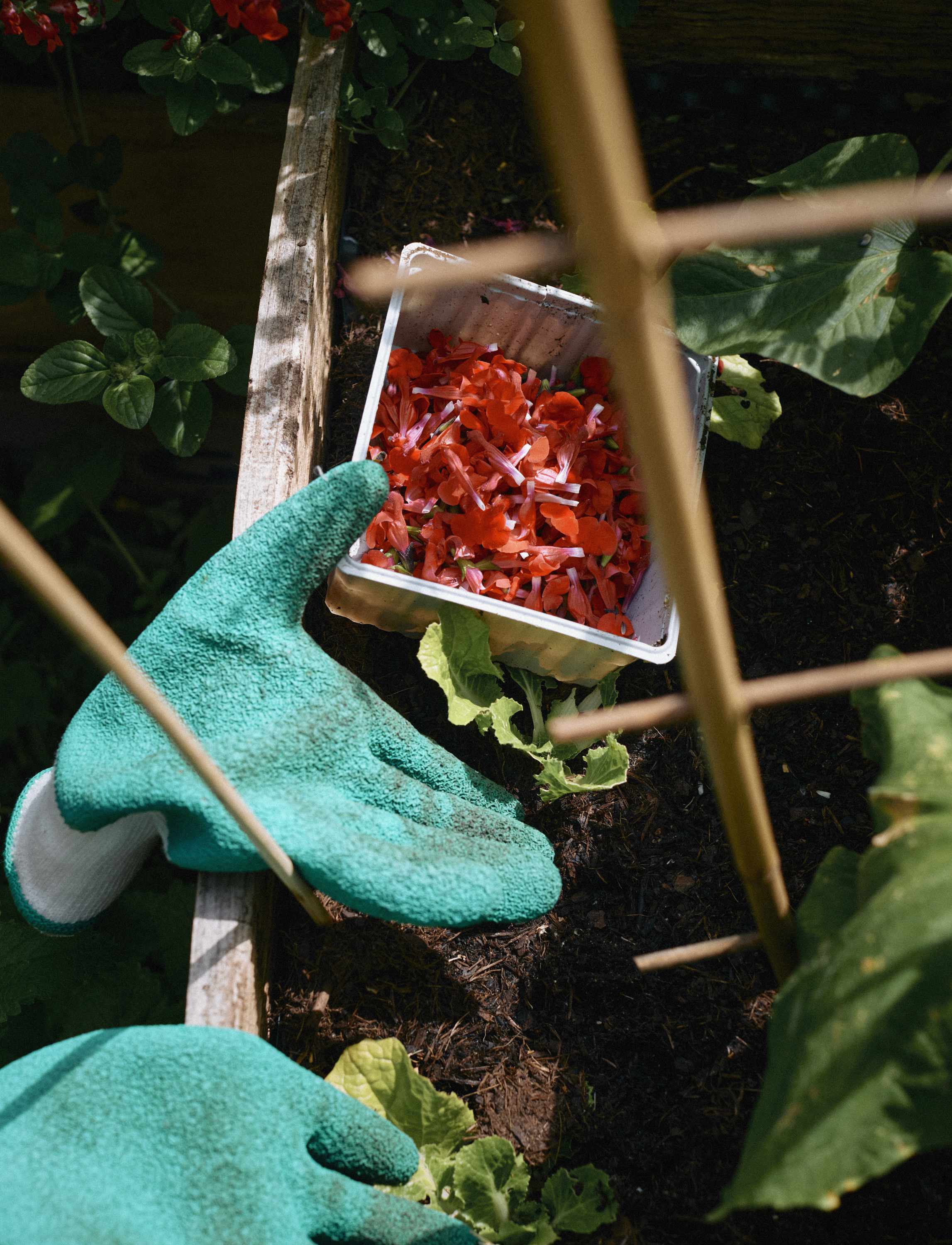
The scent of fresh basil and ripe tomatoes fills the air: the DEINspeisesalon location garden is much more than just a backdrop; it is part of the philosophy. Amidst the vegetable and salad beds, managing directors Jutta Landkotsch and Sebastian Zimmermann talk to journalist and author Johannes Arens about their vision of cuisine in 2025 – characterised by creativity, transformation and the desire to pursue innovative paths even in turbulent times.

Johannes J. Arens (JA):
I wanted us to start our conversation here in your garden today. Because it's such a beautiful place, but also because a garden is a fitting metaphor for the entire "Speisesalon".
Jutta Landkotsch (JL):
When we started here in Ehrenfeld, it was a concrete jungle. Everything was nice inside but there was no budget for outside. Nowadays, our customers easily forget that they are actually in the middle of an industrial area. The garden is a world of its own that is constantly changing. The small greenhouses are brand new. I would like to see them on a large scale, so we are trying them out here on a small scale first.
JA:
So plants are also grown here that are used in the kitchen?
Sebastian Zimmermann (SZ):
We have a total of around 15 to 20 herbs per season, which we plan to grow in consultation with the kitchen team. This year, the small greenhouses are containing lettuce and larger quantities of parsley and spring onions. We have had edible flowers for many years, and the different species bloom throughout the summer. Currently, we pick a lot of honey sage and borage.
JL:
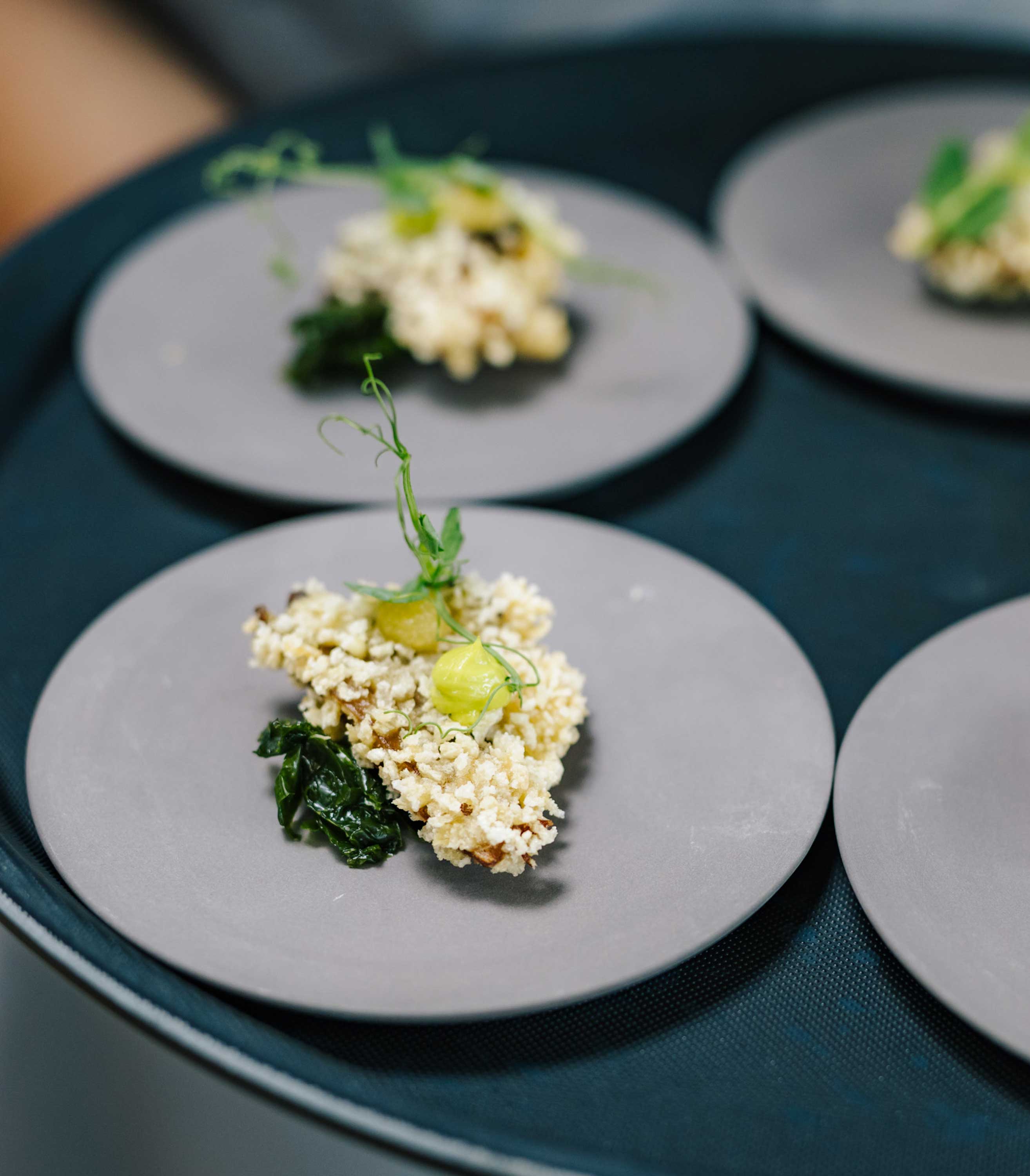
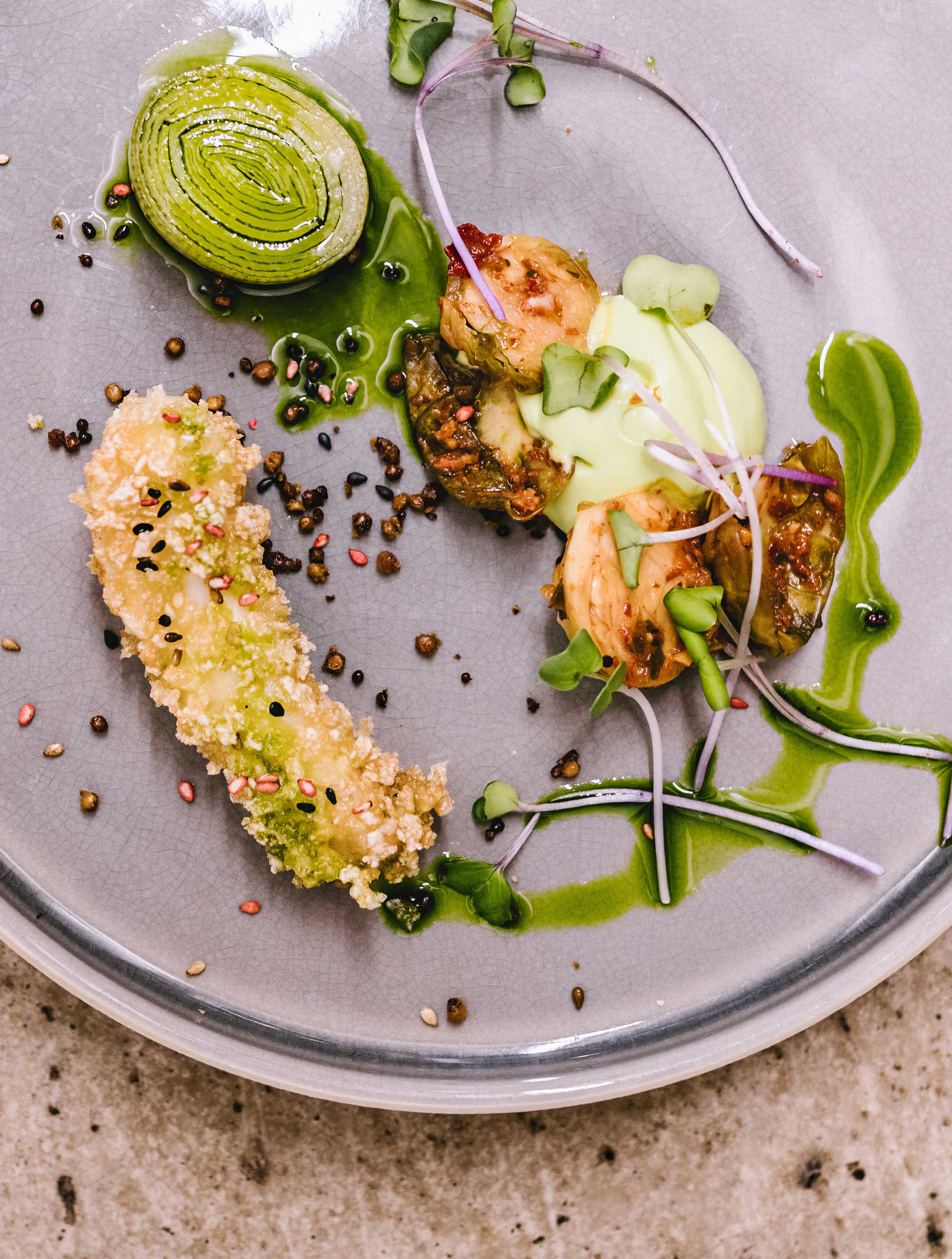
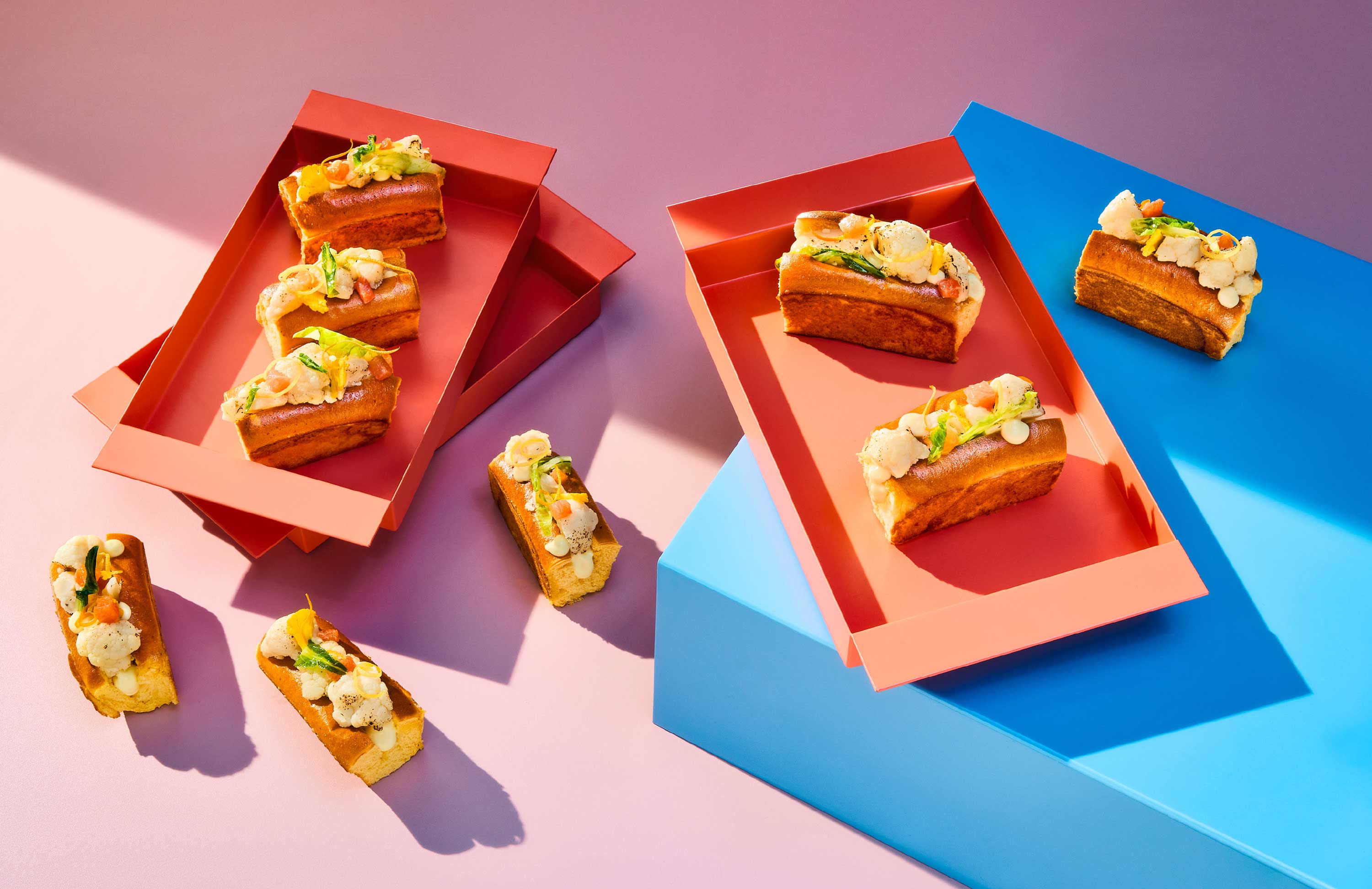
It's really something special to decorate the finger food with our own flowers, then the food takes on a poetry all of its own. But the garden is used in many different ways. People from the kitchen sometimes go out for a short break to recharge their batteries in the middle of the hustle and bustle.
SZ:
We can look out of the kitchen into the greenery, which is a lovely feeling.
JA:
Was there a garden in your past that you remember fondly?
SZ:
As a child, I spent a lot of time on my grandmother's farm near Berlin. There was a huge garden, an asparagus field, corn and grain crops, pigs and chickens. The fact that I later became a chef definitely has something to do with that.
JL:
My paternal grandparents come from Gelsenkirchen. Back then, there were large vegetable gardens in the miners' housing estates and everyone had chickens and pigeons. I loved that. When I see myself as a child, I see myself in my grandparents' garden.
JA:
That seems to me to have been formative for both of you and is also reflected in the culinary signature of the "Speisesalon". How would you describe it?
JL:
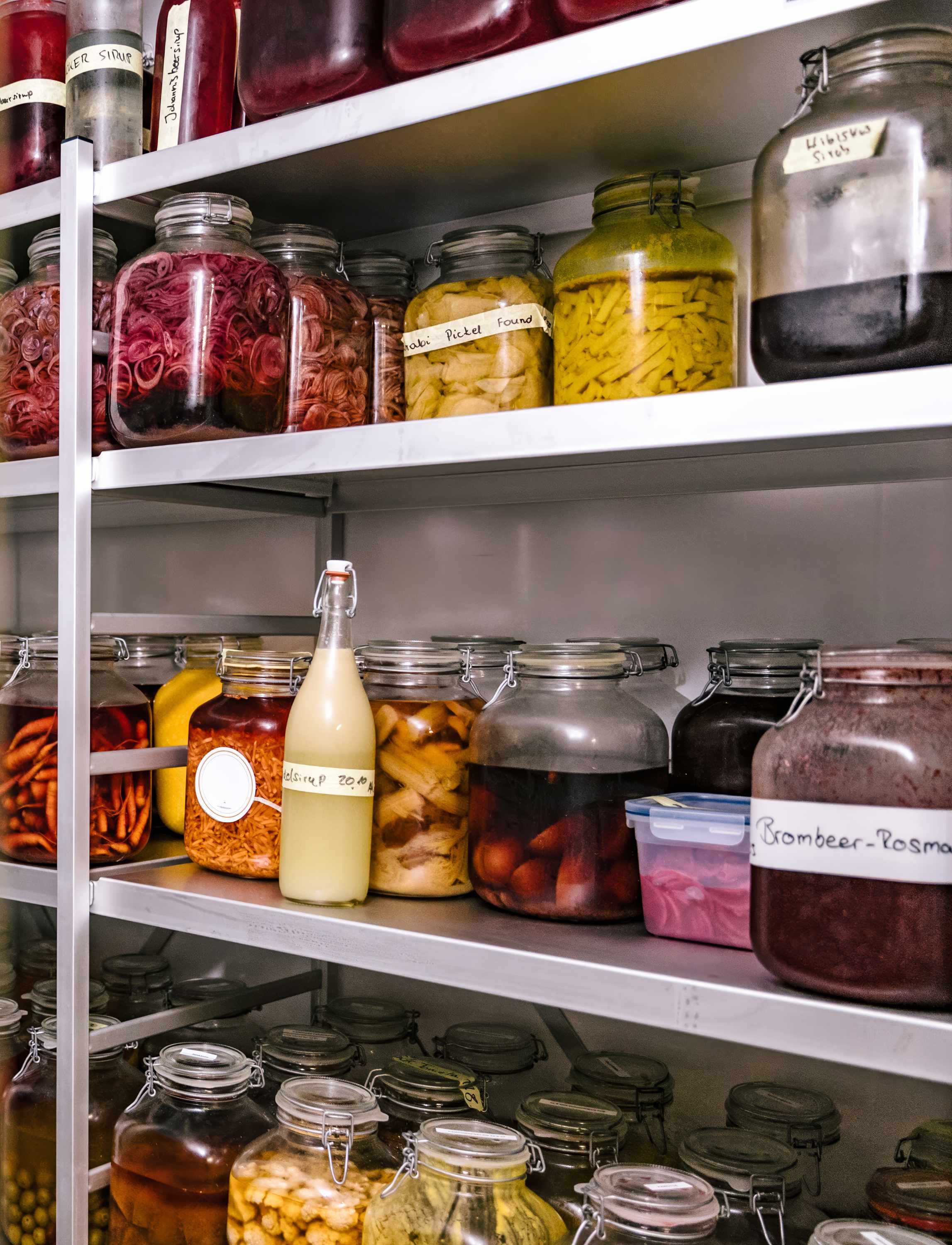
As the sum of all the things that happen here, of everything that has developed over the years. The organic transformation, for example, has changed our entire way of working. Of course, we also had a style of cooking before. But with the changeover, many products that we had been using for years were dropped from the range and we had to go back to basics.
SZ:
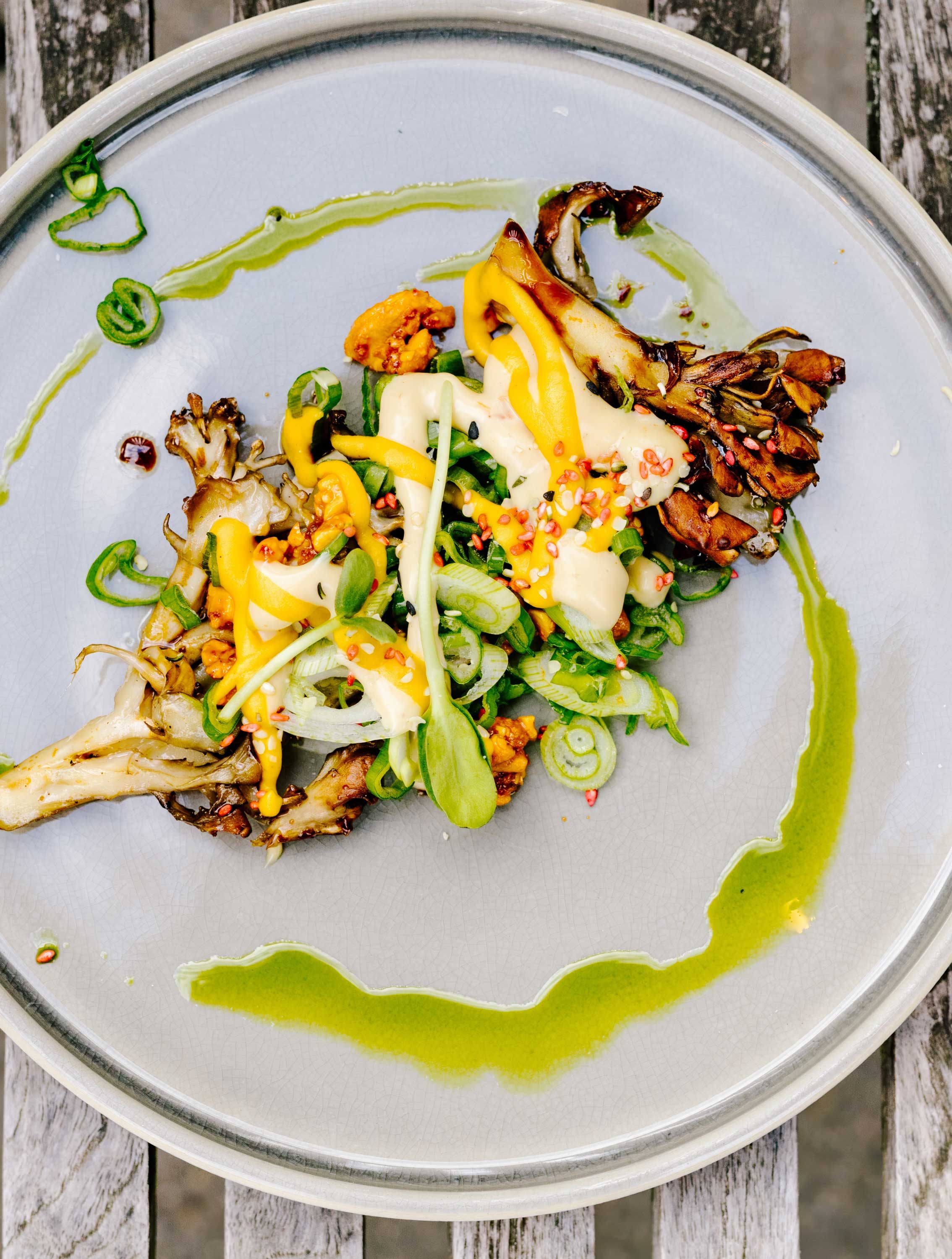
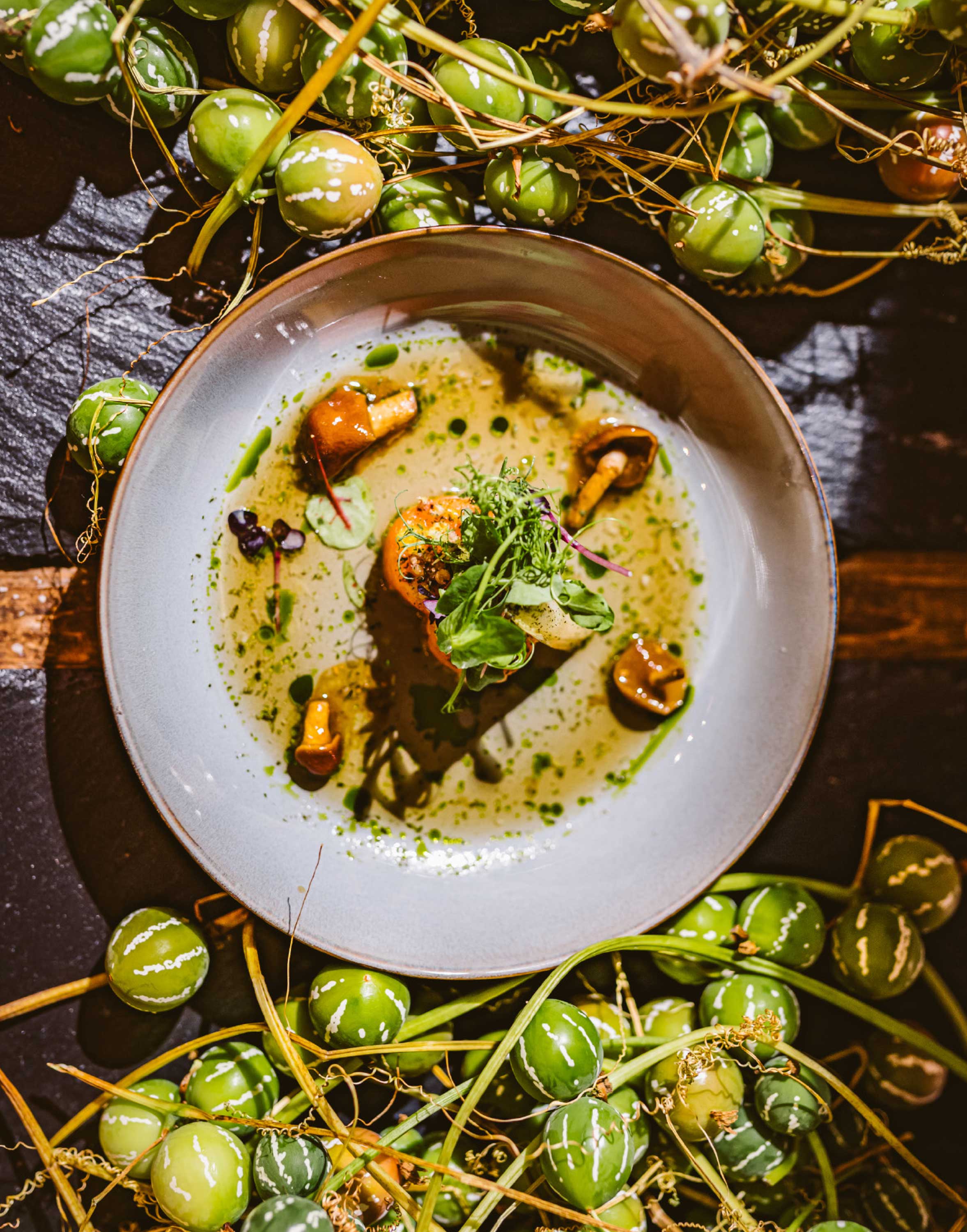
We currently produce almost 60 primary products that we used to buy in. We now make them ourselves because we can't find them on the "organic market“ in the quality we want. It's like a construction kit that we use to assemble our dishes. It gives the whole thing a unique DNA that we didn't have before.
JL:
It's not easy to put it into words. You actually have to know the system to understand what we do differently.
JA:
So, the culinary signature remains on the meta-level?
JL:
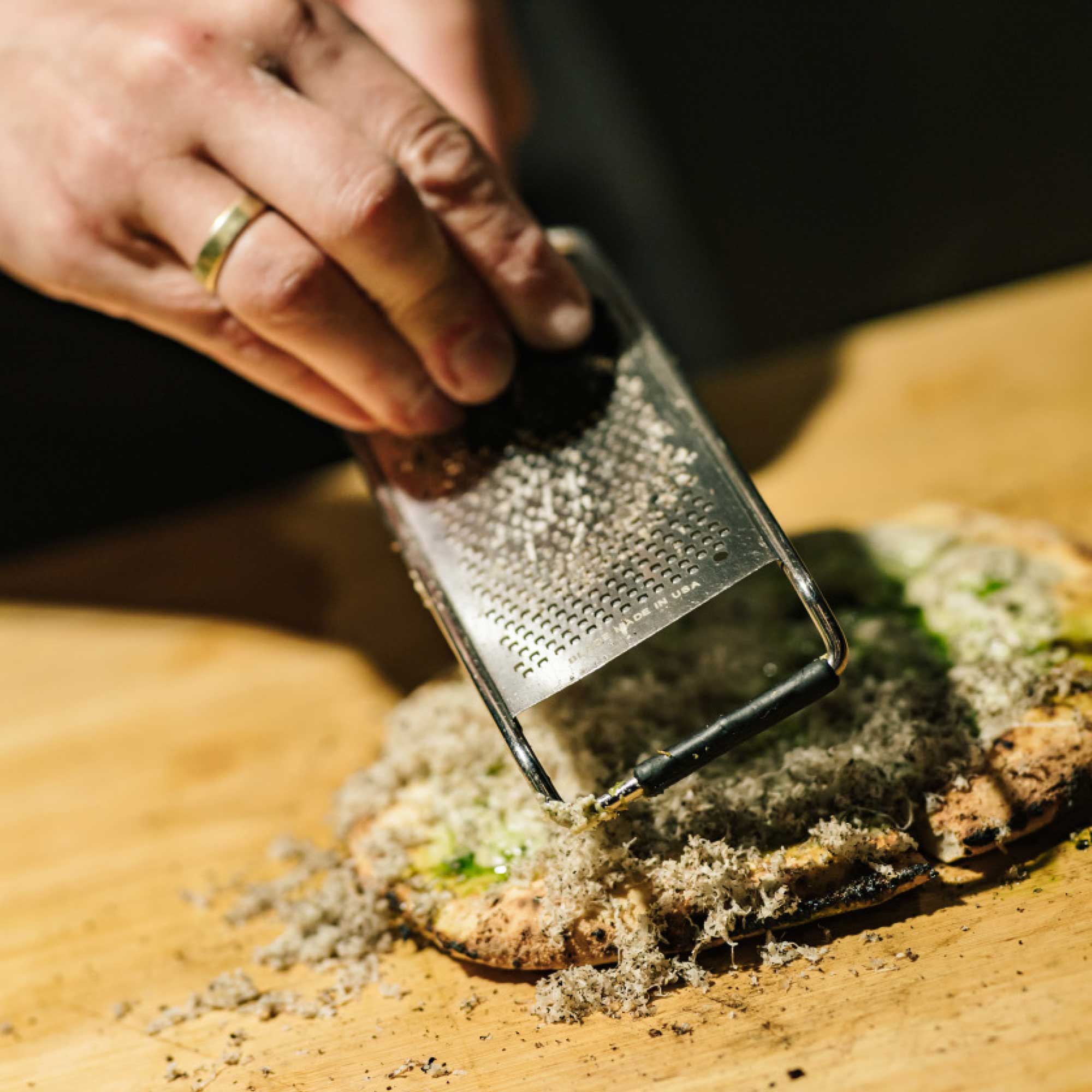
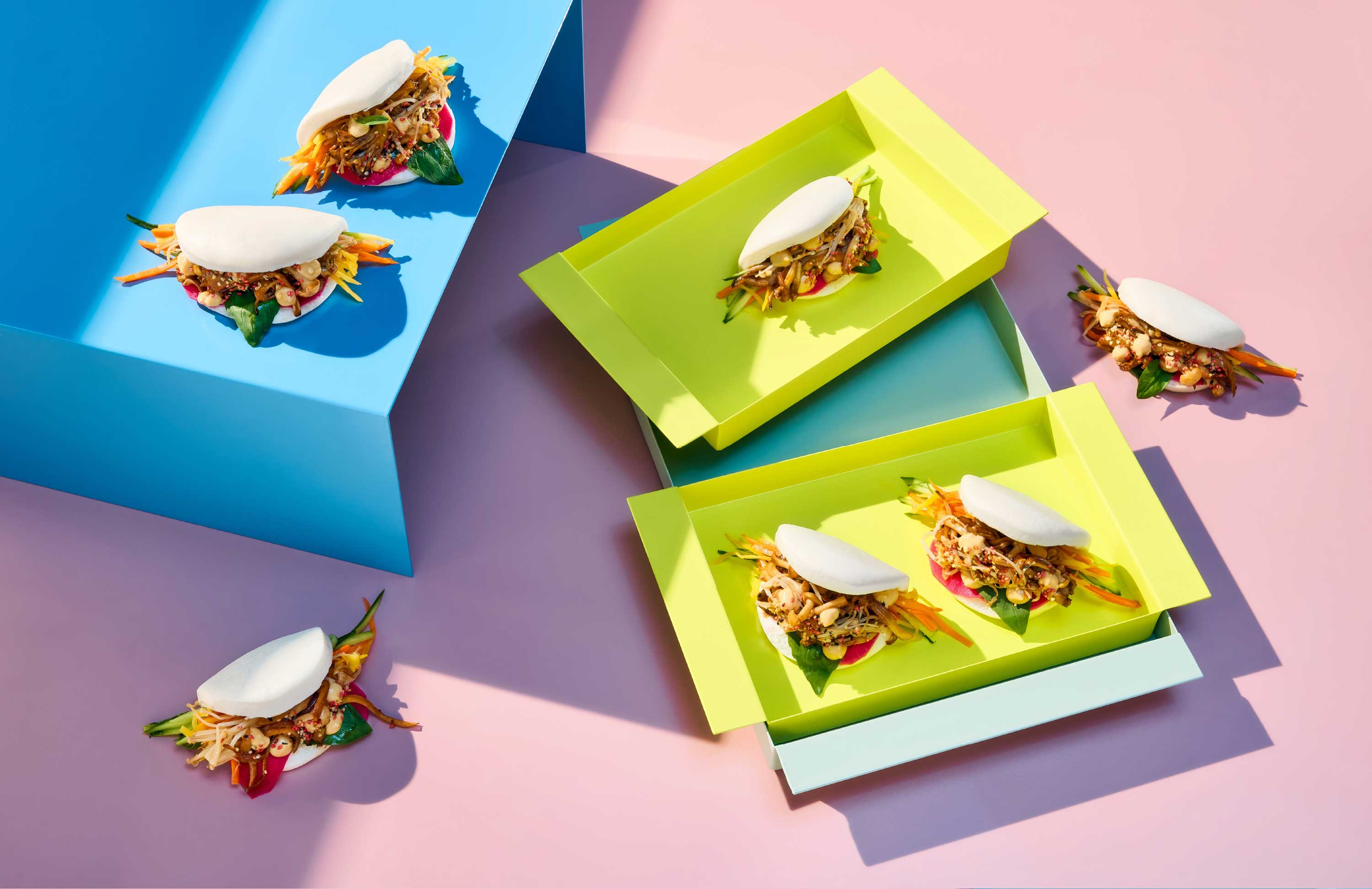
Yes, what you eat with us is more than just the dish on the plate. Let's take home-baked bread, which is now definitely part of our culinary signature. We needed organic bread, but not industrially produced frozen goods. So we decided we'd make it ourselves. You first have to create the framework for this. Basically, we had to develop a product that wasn't part of the processes here before. We developed menus and buffets, but not bread. And now we have to tell people that we only have two types of bread, even though our signature is supposed to be opulent. But what is opulent? For us, time - and the space we give bread - is a form of opulence.
JA:
If certain things are omitted through organic transformation, this is not necessarily a loss, but rather a concentration on the essentials, on what is important.
SZ:
Nevertheless, for catering our dishes are complex. Our aim is always to bring the experience we have with a plate in the restaurant to our guests, even at a lunch or a large event. This applies to all departments, the entire kitchen and all positions. All these elements ultimately result in a culinary signature.
JA:
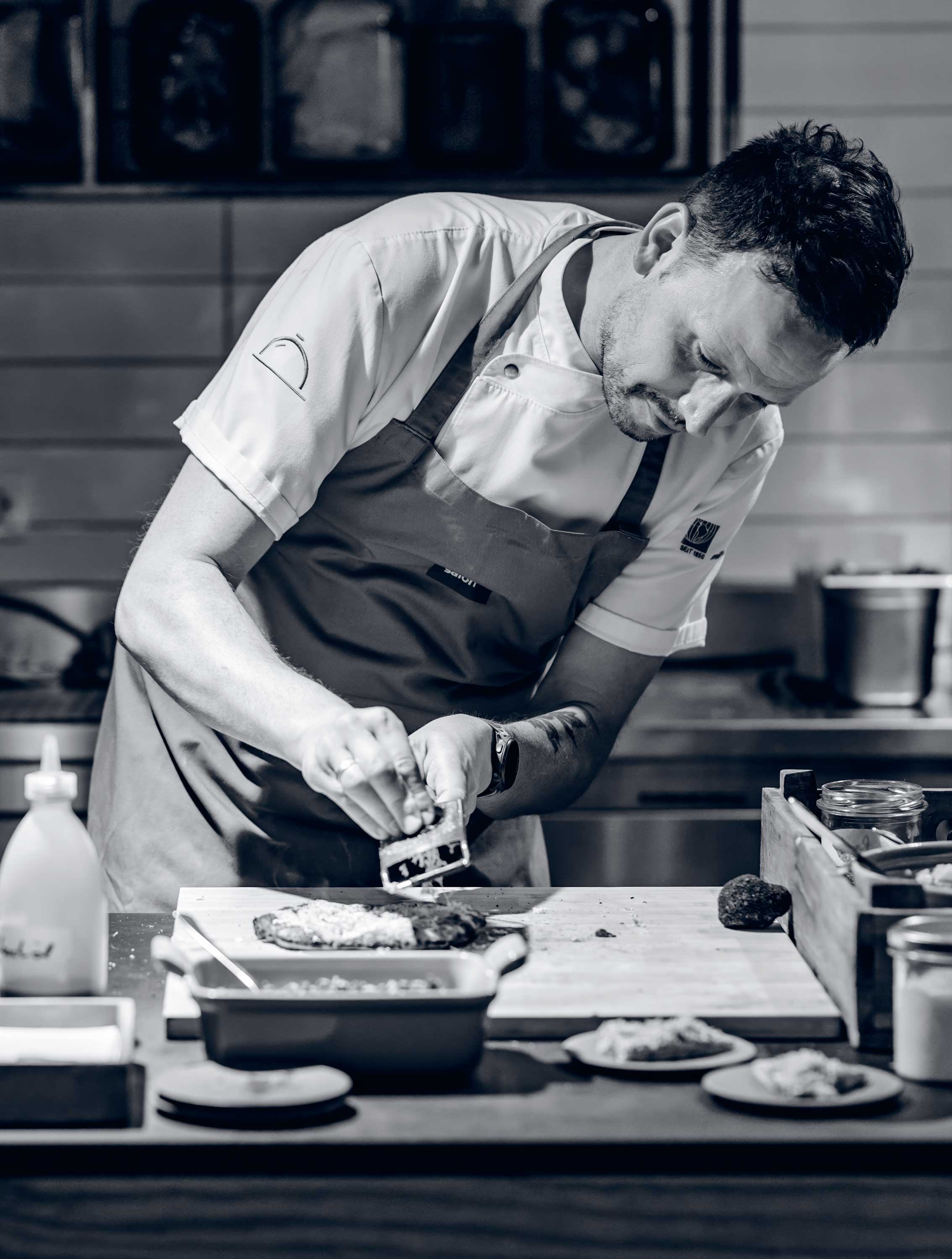
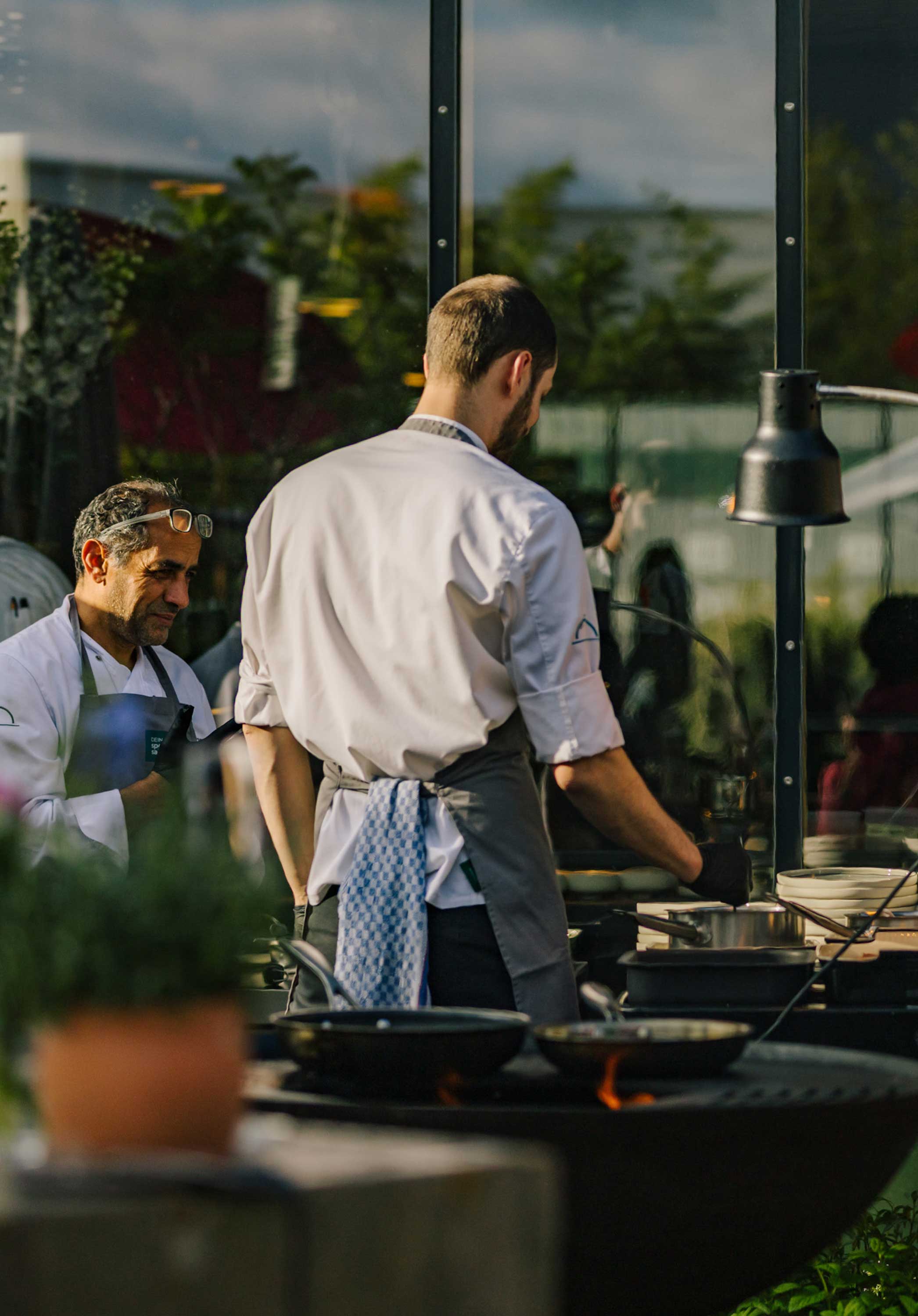
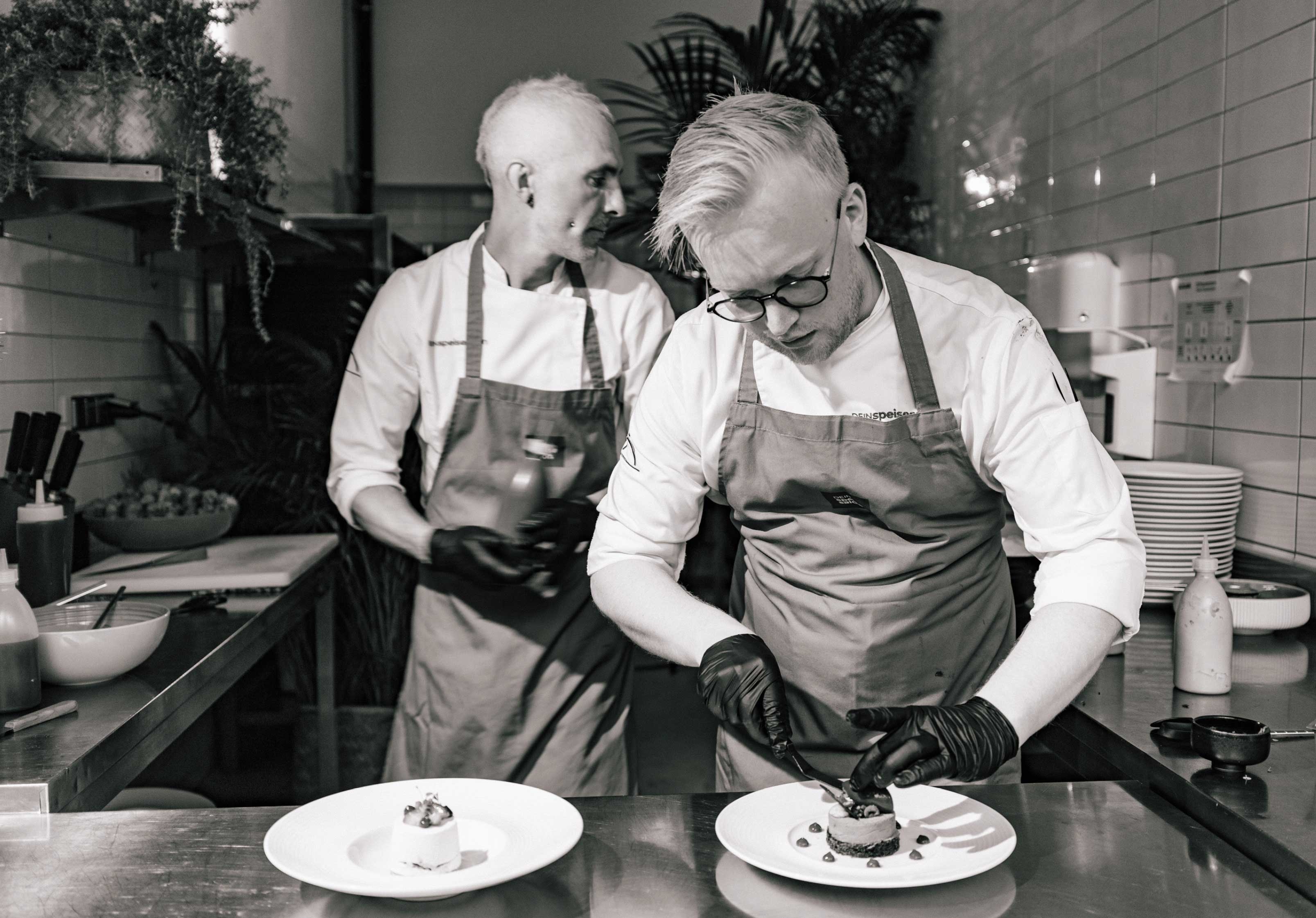
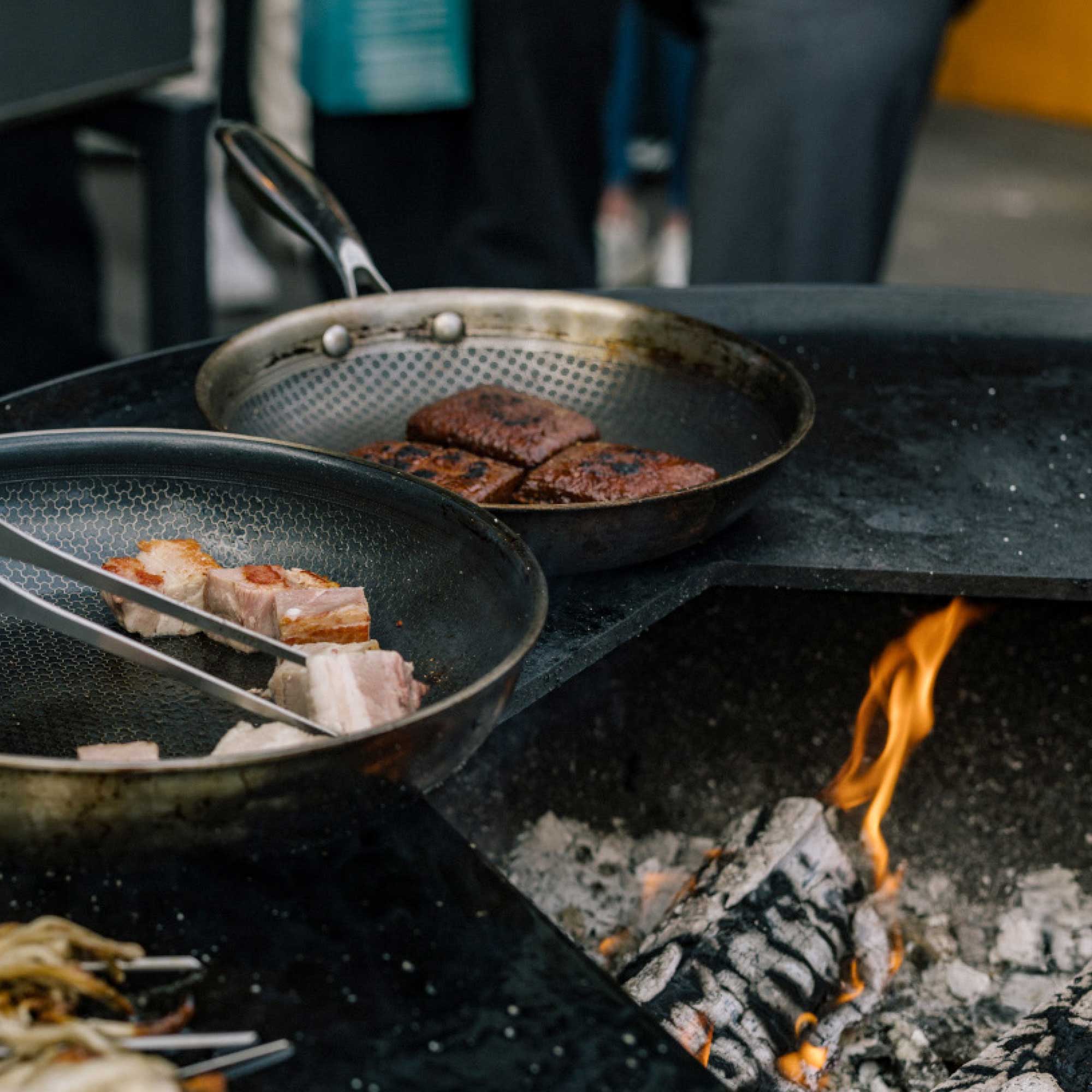
So it's all about care and attention to detail. This is also evident in "Meet the Chefs“, your culinary showcase. It's not just fun to taste, but it's just as exciting to see how the dishes are prepared, finished and served, because there's a special kind of concentration. How much courage does it take to open everything up, show everything and let people look in all the cupboards?
JL:
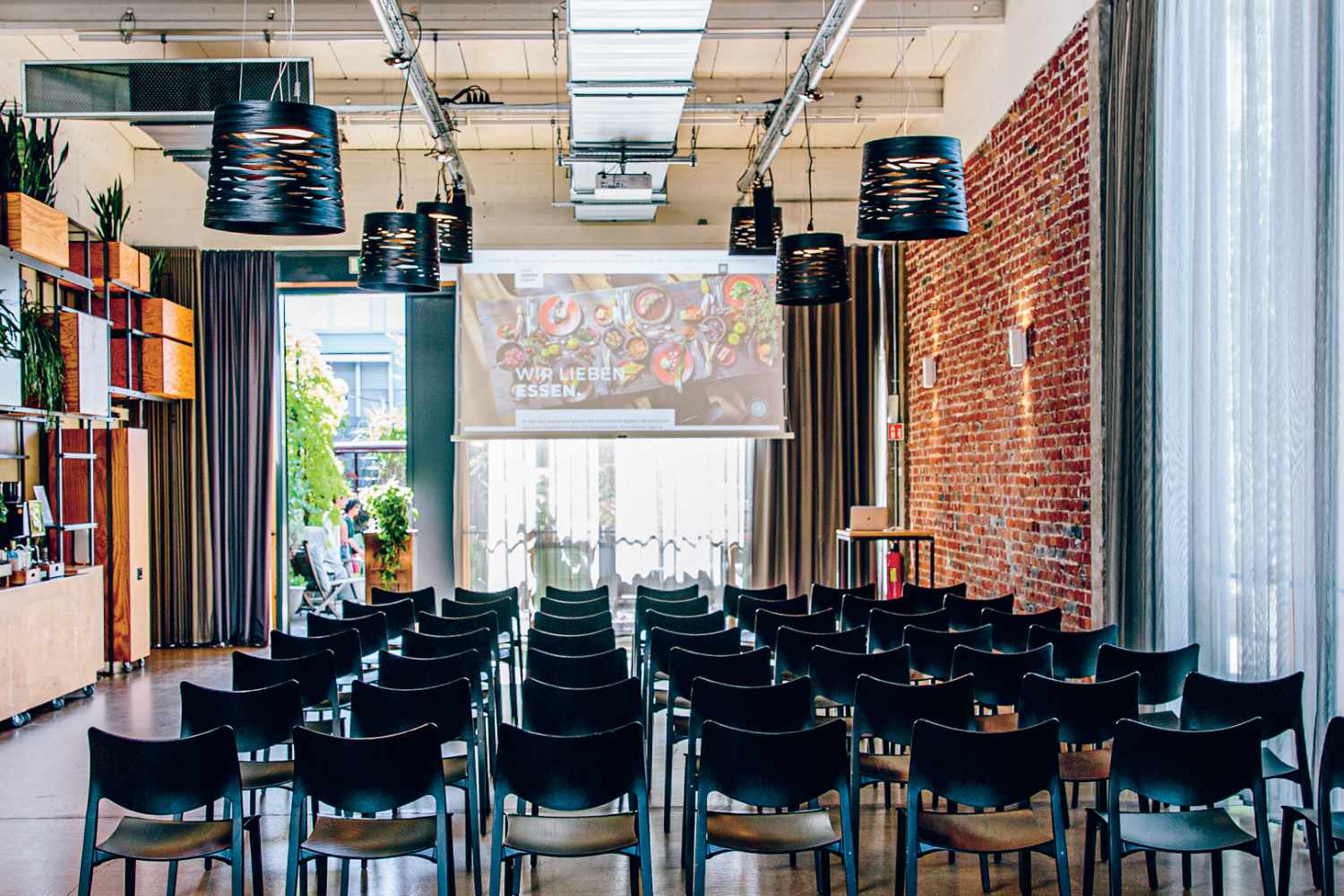
The salon concept, which is also in our name, is still very exciting for me. For us, it's less about making concrete business contacts and more about exchanging ideas. We've been working with some guests for a long time, others we don't even know yet. Occasionally, we invite people to whom we have placed an offer that didn't lead to a contract, but who we would like to get to know better.
SZ:
But we do not only present the kitchen, we also present the whole team. There are no guidelines as to how everyone should be on the evening or how important customers should be treated. We all go into the evening with a lightness of touch and you can feel that.
JL:
You go into the kitchen and the team is the actual host, while the project management mingles with the guests. We break down learned expectations and suddenly something different is possible.
JA:
You're not only breaking new ground at the Ehrenfeld venue, but also at the stadium. What has changed since we were there together last time?
SZ:
We are still a firm partner of the FC and the collaboration has become increasingly close and trusting over the years. The organic transformation is also underway there, even if the quantities required every fortnight are different. But we are making good progress and are confident that we will achieve our goals.
JL:
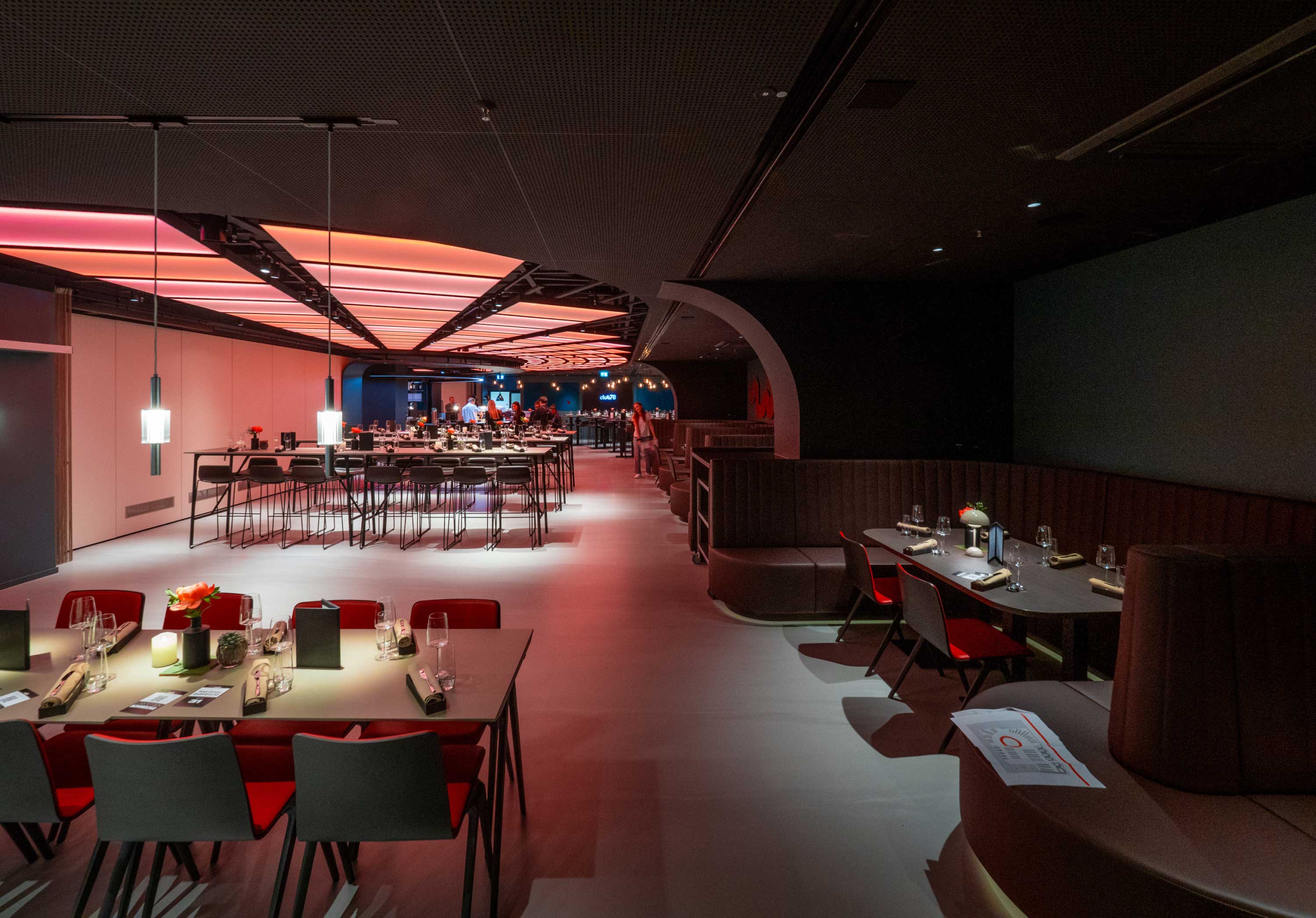
Club 78 has even added a new area with an open kitchen that is more reminiscent of a chic restaurant somewhere in a big city than a VIP area in the stadium.
SZ:
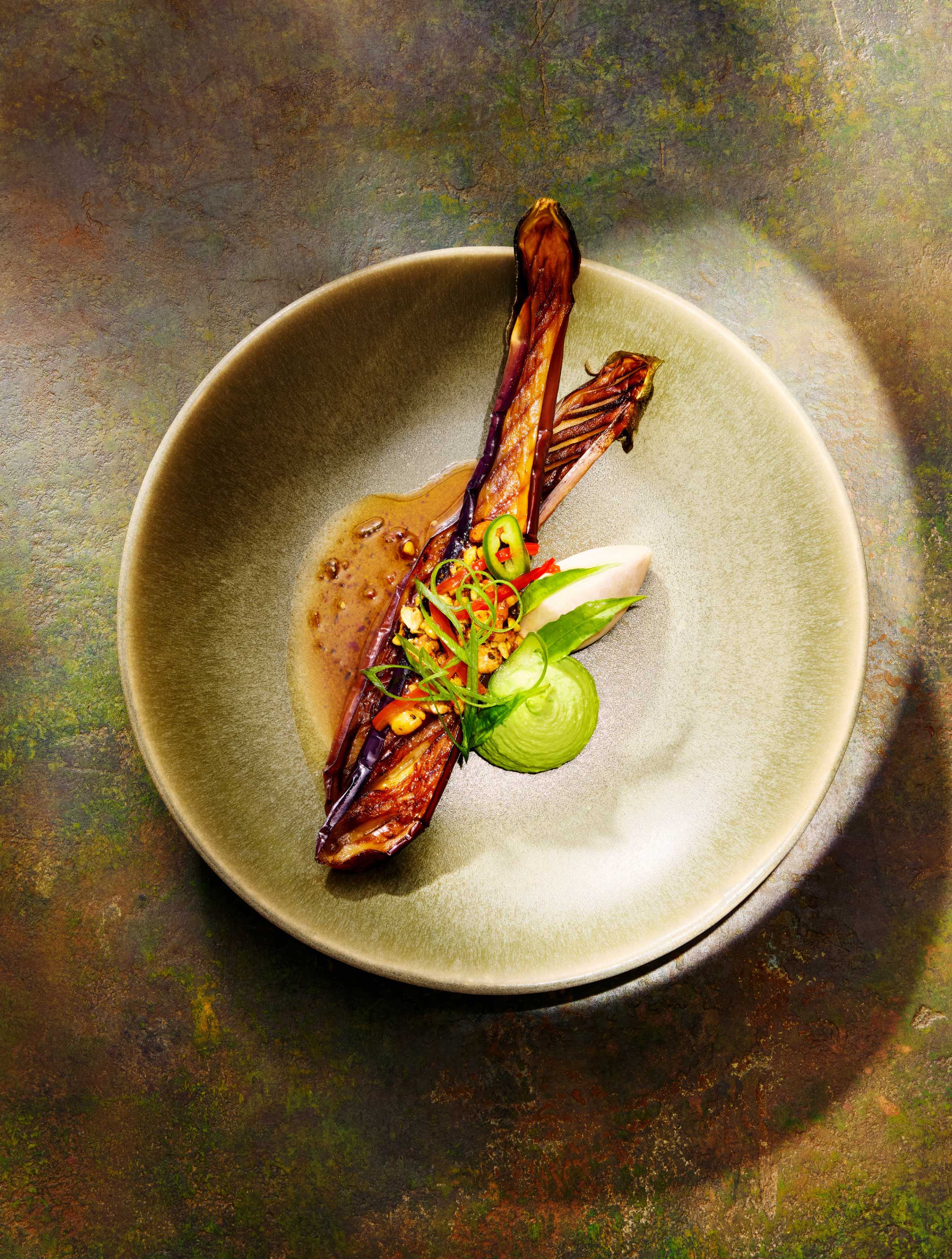
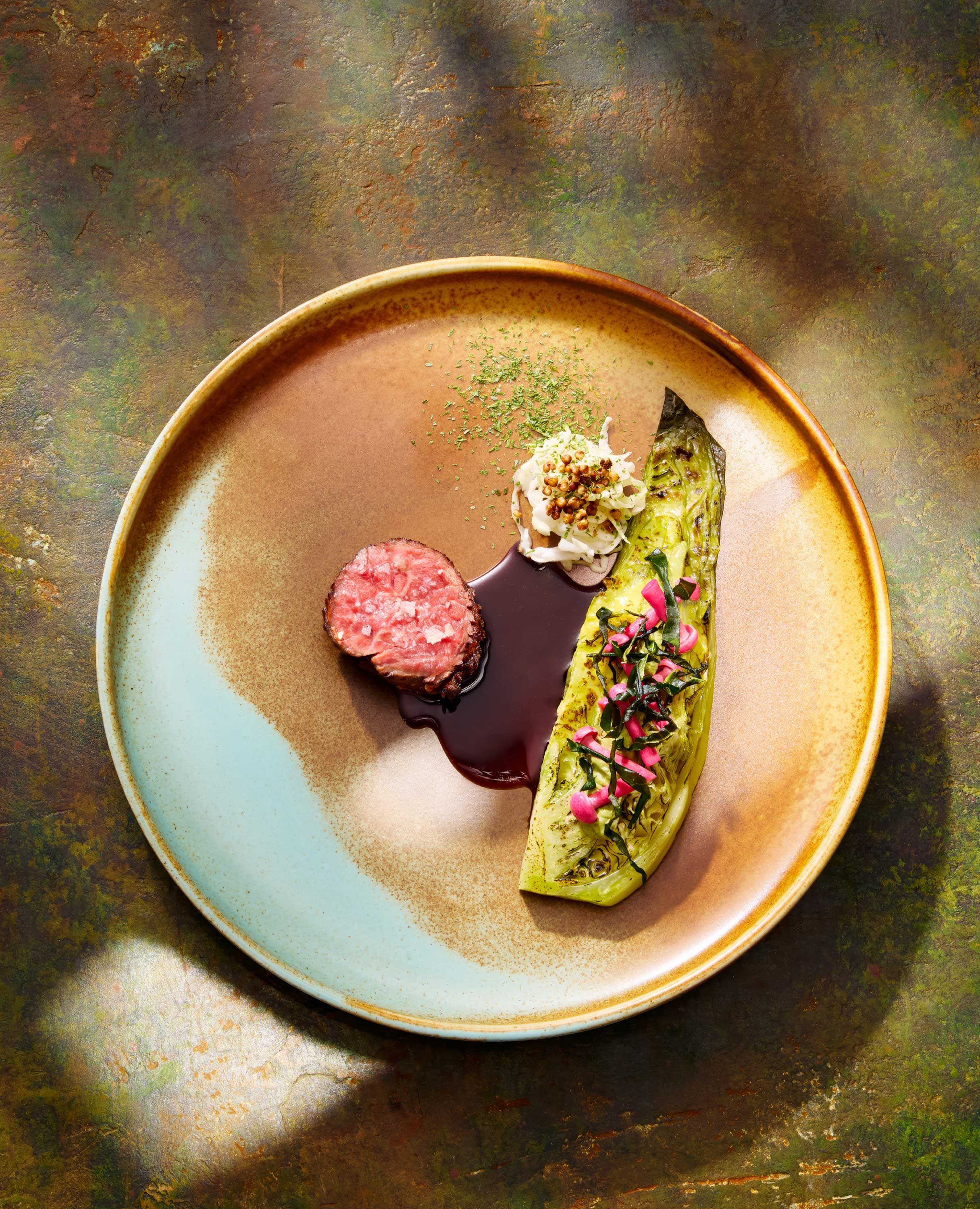
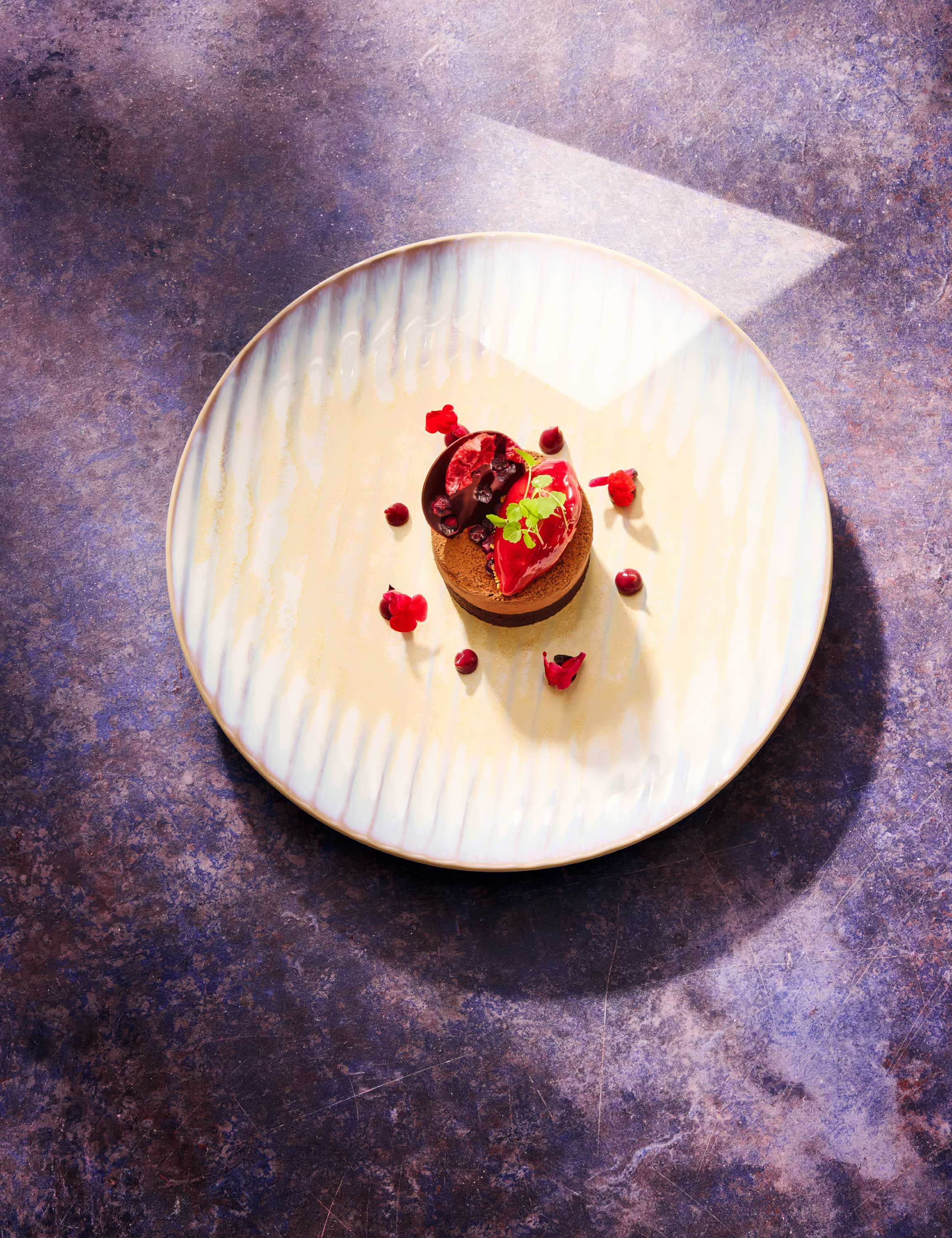
In the business area, we have moved up to the next level, we have done away with buffets and enhanced the experience for guests with plated dishes. Previously, they served themselves in the traditional way, now there is a ready-made plate. With 2,000 portions per match, that's quite a challenge. But we've learnt the ropes and now the plates are beautiful.
JA:
So, next level means more aesthetic attention?
JL:
Yes, just like a restaurant experience again.
JA:
Speaking of experiences - how's the rock'n'roll business going?
SZ:
We have just cooked for Billie Eilish. She had very clear ideas about the catering, everything had to be vegan, but the meat eaters also had to be included. One of our signature dishes, the "Red Beet Wellington", went down really well.
JL:
The demand for sustainability is also growing here. For the first time, an artist deliberately did not want plastic bottles. We've done a lot of persuading over the years, which is now bearing fruit. We already worked with Recup for Coldplay last year. However, this is not yet widespread in the backstage catering business or in stadiums.
SZ:
On our concert agenda 2025, we will have Guns N' Roses, Linkin Park and Carlos Santana, who is finally coming back to Europe after a long time. He‘s an old acquaintance - so, back to the roots.
JA:
Back to the roots, with this we're back in the garden where we started an hour ago.
Jutta Landkotsch
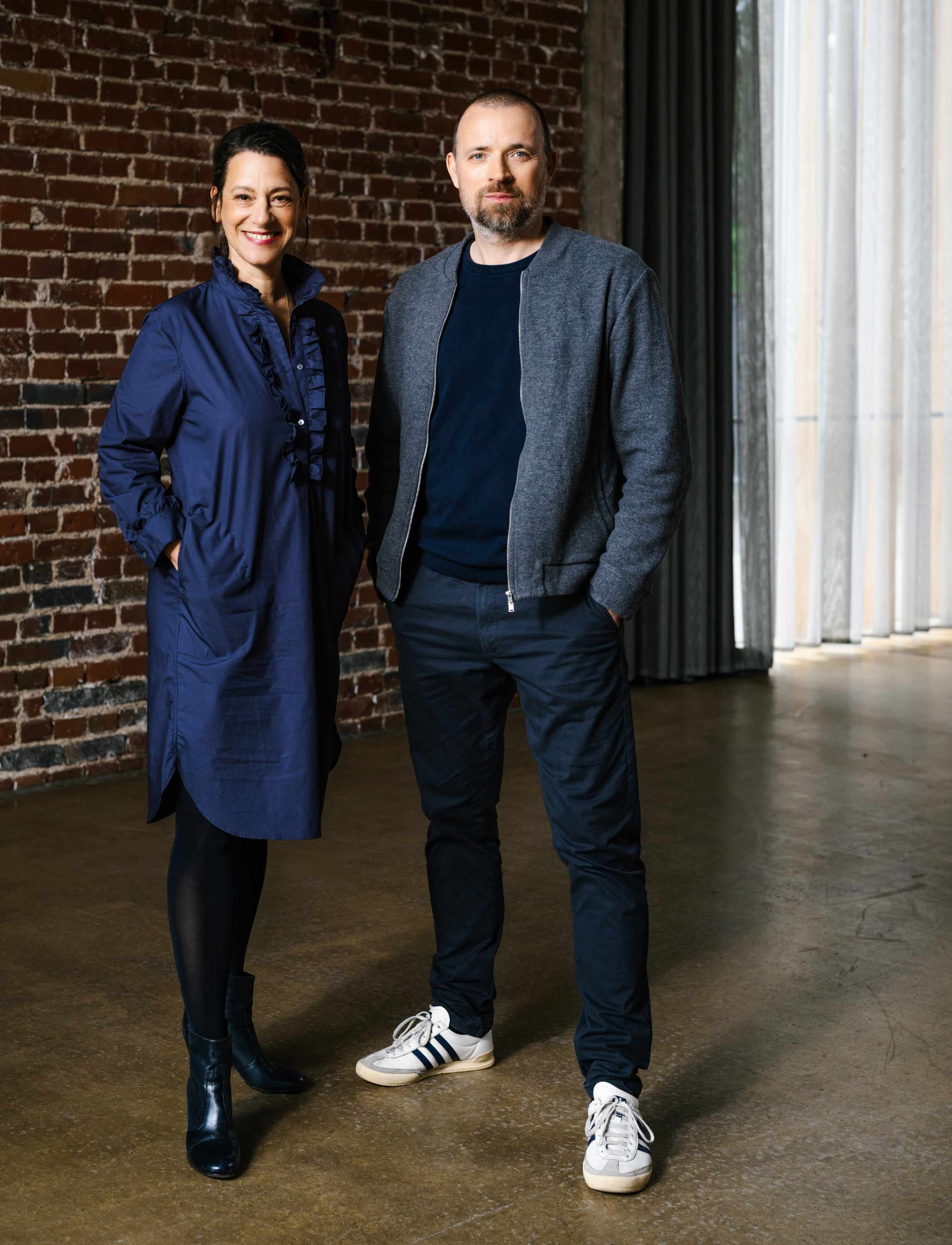
is the founder and managing director of DEINspeisesalon. She combines her passion for culinary arts with a keen sense for people and moments. She promotes topics such as sustainability and transformation – always with the aim of bringing together enjoyment and responsibility.
Sebastian Zimmermann
is the managing director of DEINspeisesalon. For him, gastronomy means more than just good food: it is about encounters, change and inspiration. With clarity, courage and curiosity, he shapes the further development of the company and provides impetus for future-oriented cuisine.
Johannes J. Arens
is a freelance journalist and author from Cologne with a focus on gastronomy. He has a variety of collaborations with DEINspeisesalon, ranging from the participation of trainees in his talent promotion projects ‘Sunday Supper’ and ‘Bach DELIKAT’ to the joint implementation of the “Bauernrunde” to promote regional fruit and vegetables to Cologne restaurants and catering companies, to a culinary cover story in the magazine ‘Zwischengang’.